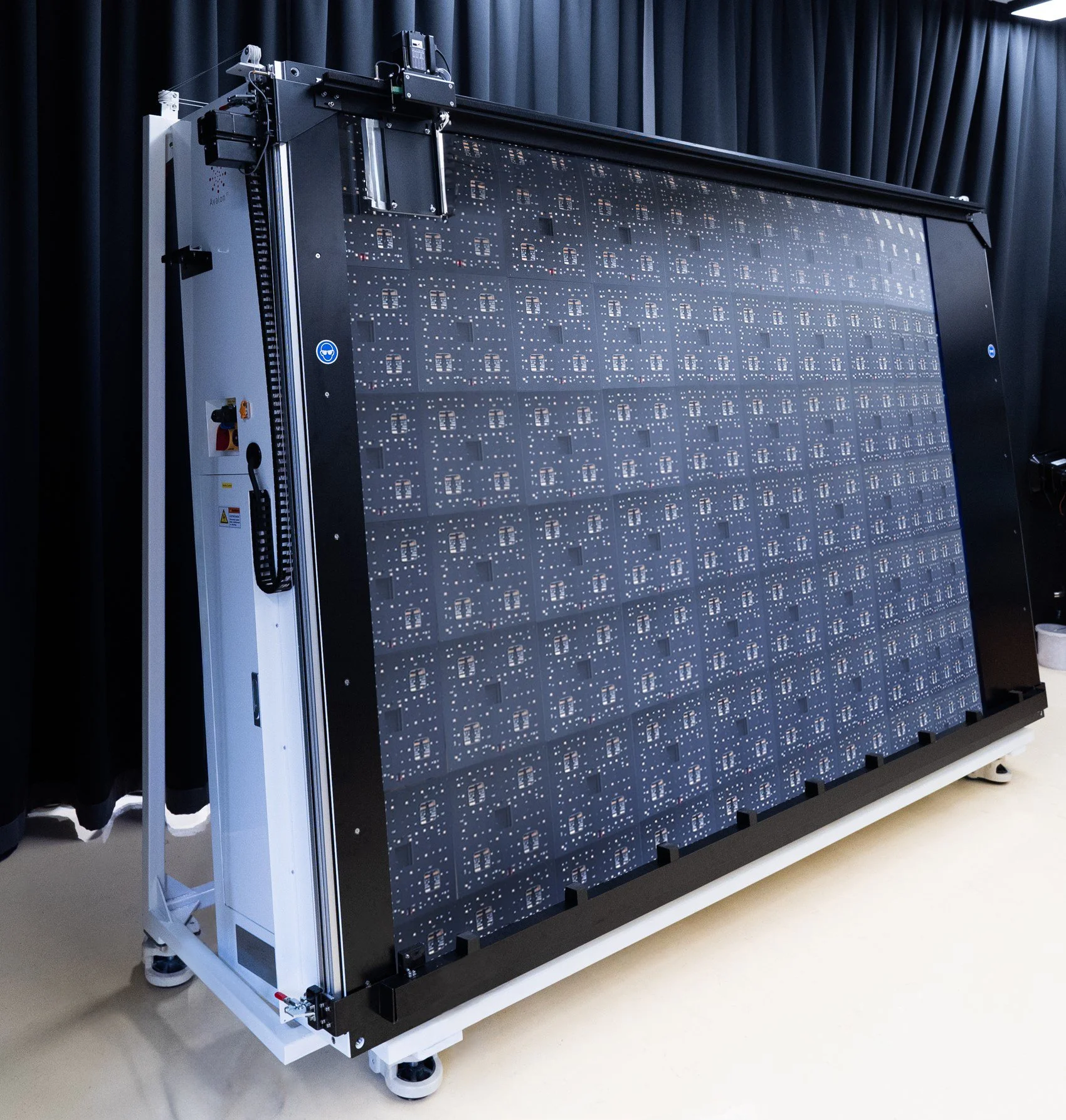
The latest half-cut, 400 Wp+ bifacial HJT modules show an extreme capacitive response. Compared with PERC, the IV curve takes longer to settle and the difference between forward and reverse sweeps becomes much larger.
Why this is a problem for IV measurement
On simulators currently on the market, reaching agreement between forward and reverse measurements on a high-capacitance HJT module can require up to 60 flashes. Long-pulse approaches reduce the gap but do not eliminate it: residual differences of several watts between forward and reverse remain common.
IV-modulation strategies, such as smart IV, dynamic IV or Pasan's DragonBack, push back the limit but still struggle on the highest-capacitance modules. The IV curve under these schemes can collapse to a handful of usable points around Pmax, which is exactly where you do not want resolution to drop.
Why temperature coefficient gets harder
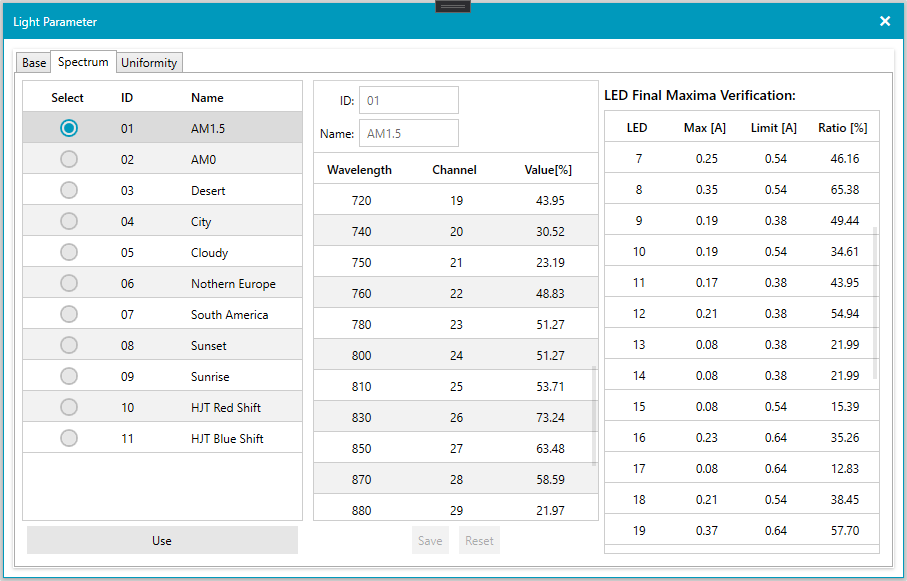
Temperature-coefficient measurement compounds the problem. The TC procedure requires the module to be held at a stable temperature while several IV curves are acquired at different setpoints. If the simulator needs 20 to 60 flashes per setpoint to settle, the module's temperature drifts during acquisition and the very quantity you are trying to measure is corrupted.
Only a single-flash, capacitance-tolerant system can hold the module's temperature flat through the full sweep. That is the regime where TC numbers become repeatable rather than noisy.
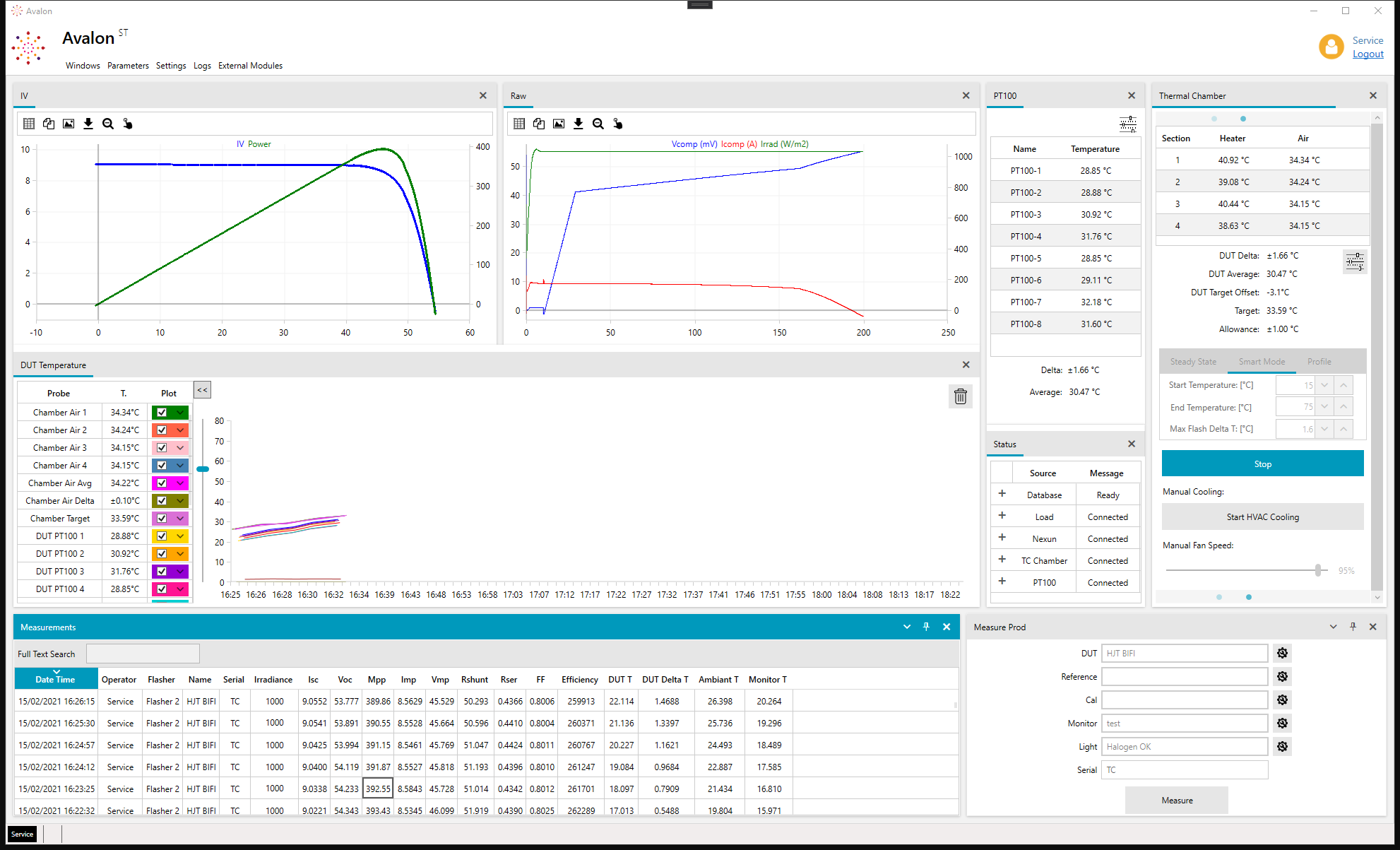
This is the kind of measurement that drove the Nexun design choices, long pulse with capacitance compensation, single-flash convergence and wide dynamic range, so that high-capacitance modules can be characterised cleanly without thermal artefacts polluting the result.