

The measurement questions, answered.
Evergreen technical guides from the people who build the instruments: how to choose an LED solar simulator, what the IEC 60904-9 classes really mean, and how to measure the cell technologies that punish shortcuts.
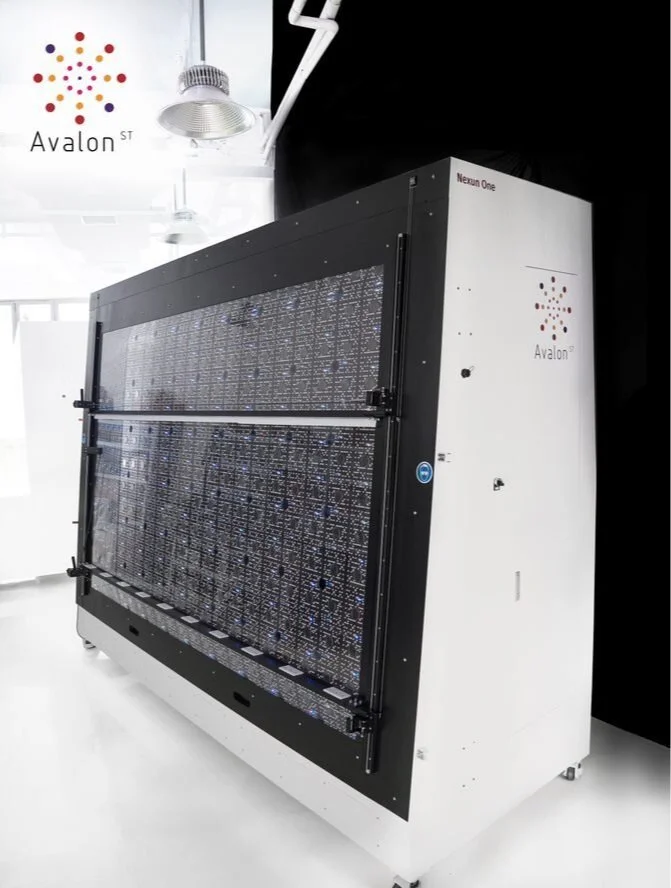
How to choose an LED solar simulator
Five numbers decide whether an LED solar simulator can carry your measurements: class, pulse length, spectral deviation, active area and lifetime. Here is how to read each one, and what the reference instruments achieve.
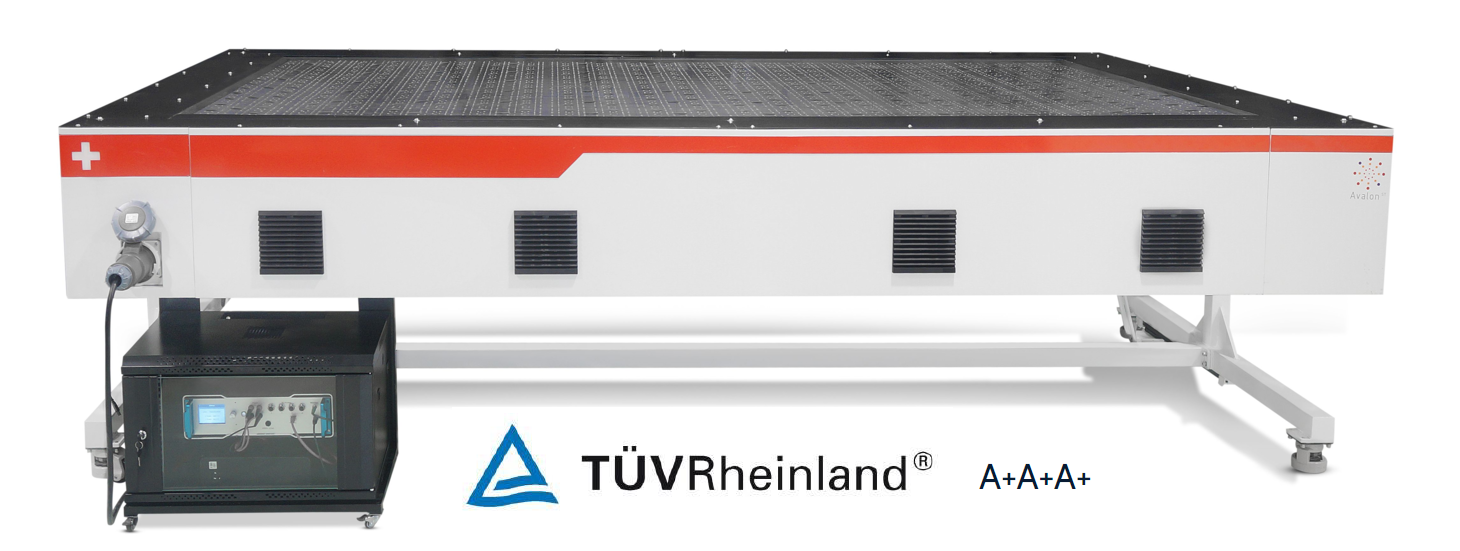
LED vs xenon solar simulators: how to choose
One group builds reference-grade instruments on both light sources. Here is the honest comparison: where LED wins, where xenon still earns its place, and how to correlate the two.
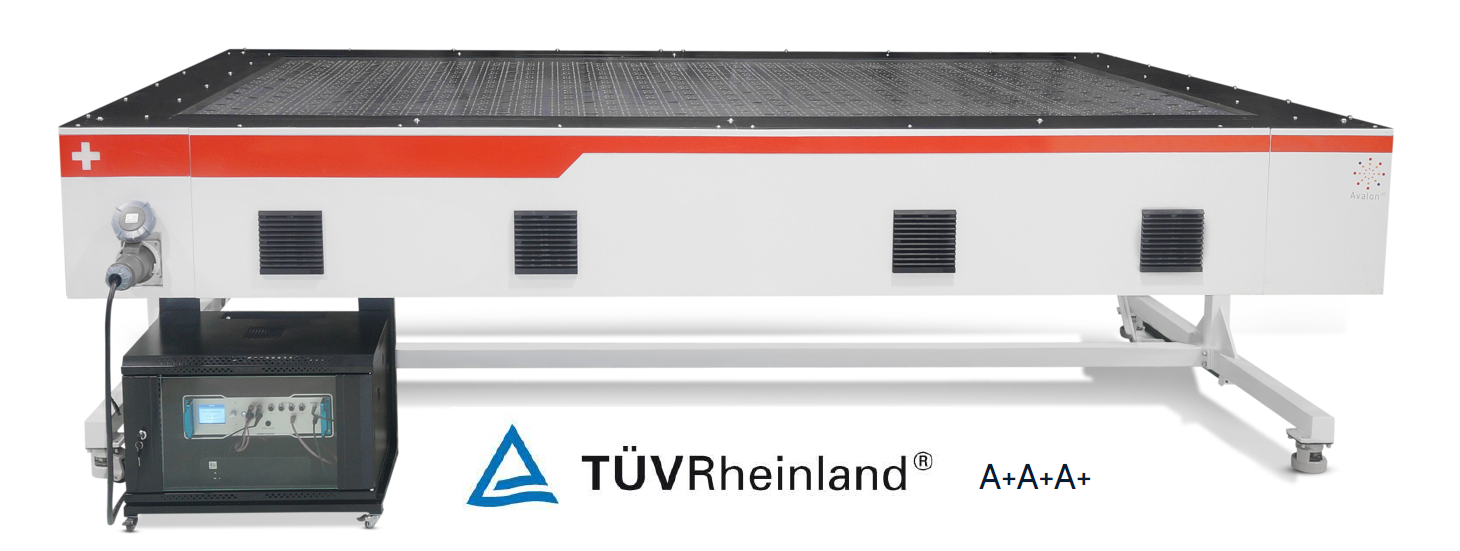
IEC 60904-9 classes: what A+++ actually means
The class label on a simulator datasheet is three grades, not one. What each grade measures, where A+ ends and A+++ begins, and why the order matters.
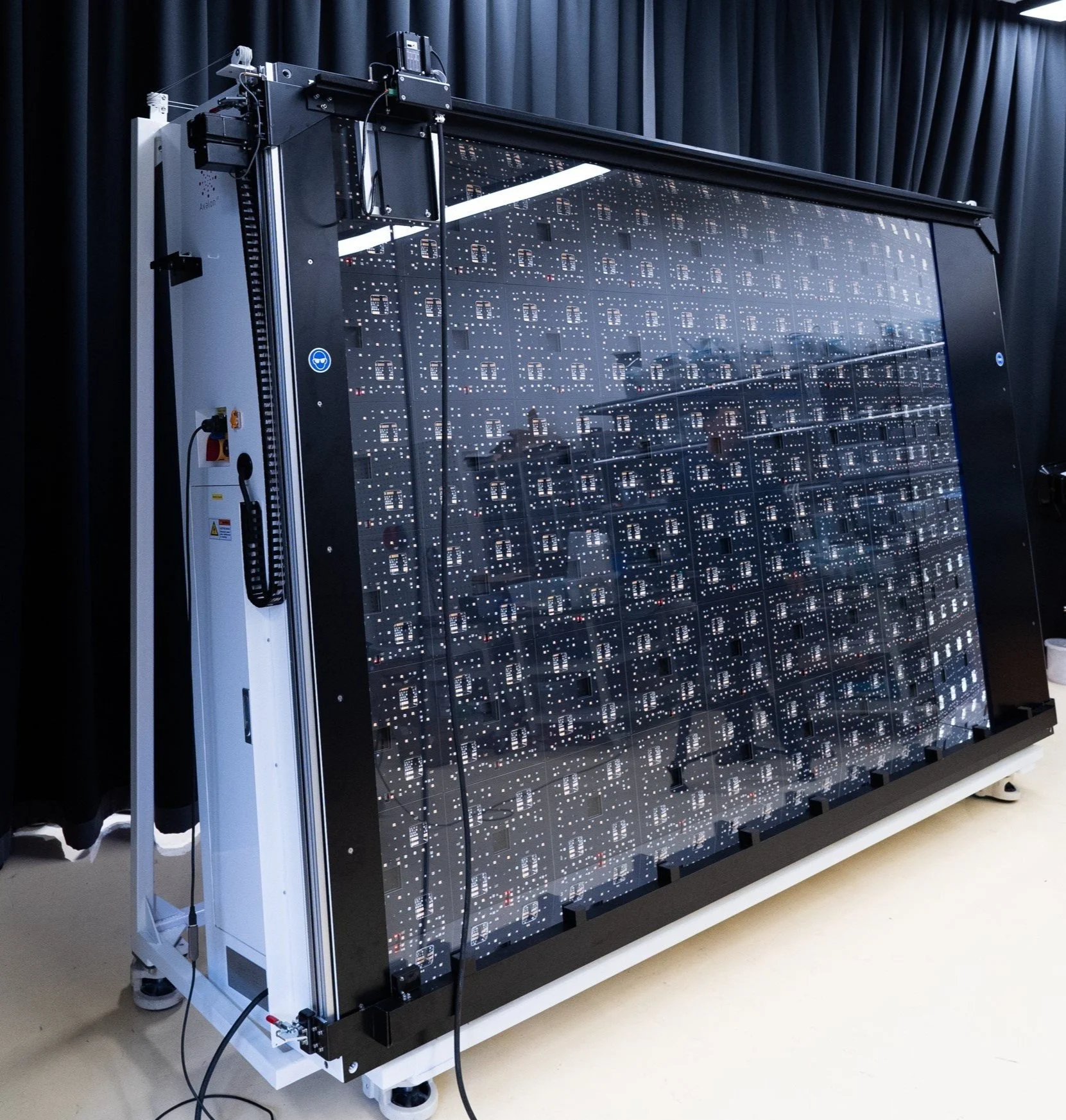
Measuring HJT and TOPCon: why pulse length decides accuracy
The higher the efficiency, the bigger the capacitance, and the more a short flash lies about power. What sweep-rate error is, and why 500 ms became the number that matters.
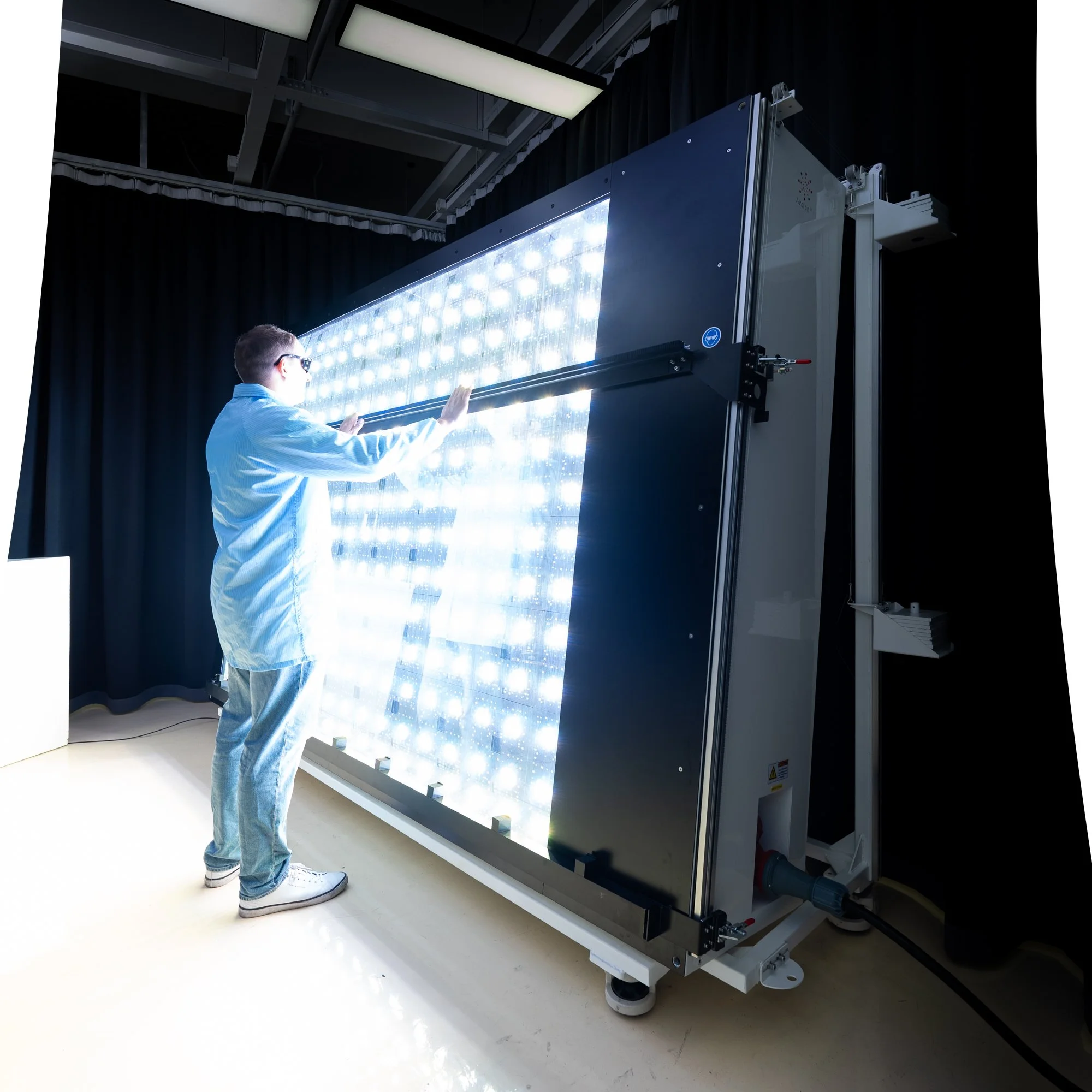
Testing perovskite and tandem cells: preconditioning, spectrum, time
Metastable cells punish conventional flash testing. What preconditioning actually does, why tandems need per-band spectral control, and how to get a defensible number out of a moving target.
Bring us the measurement problem. We’ll bring the instrument.
Cell technology, throughput, active area, accuracy goal: share what you measure and an application engineer will answer within two business days.